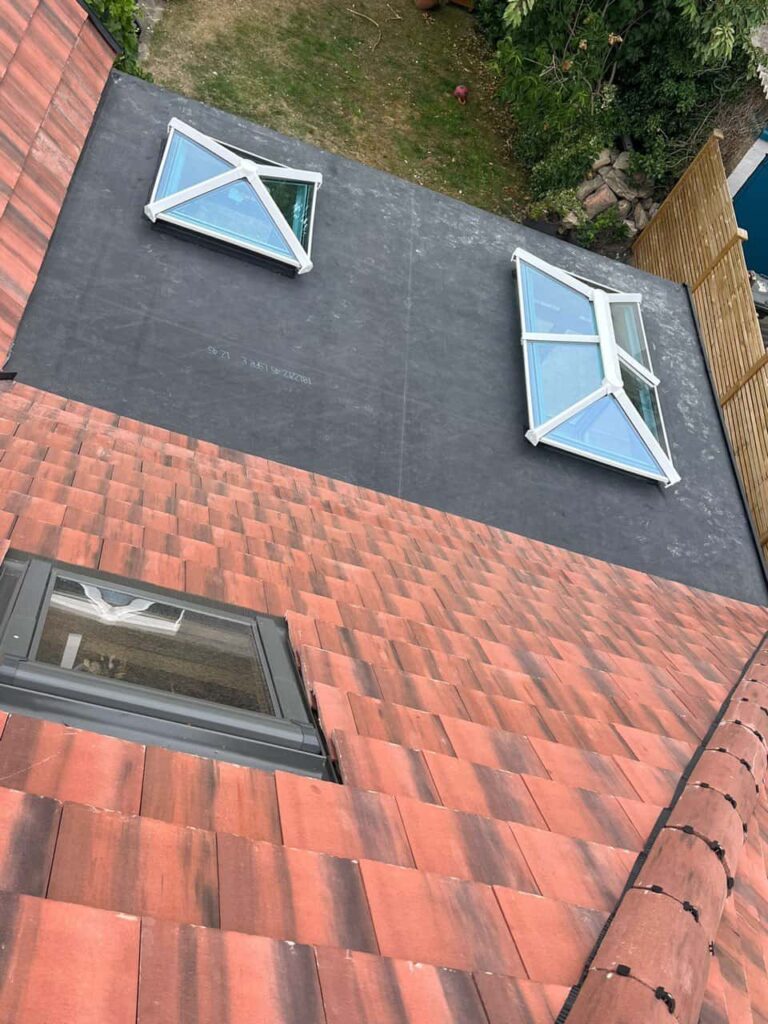
Roof tiles are designed to provide a protective barrier against rain and changing weather conditions, but they can sometimes become loose or slip out of position. A displaced tile may appear to be a minor issue, yet it can leave parts of the roof exposed and create an opportunity for water to enter.
For homeowners in Verwood, Dorset, recognising the causes and warning signs of slipped tiles can help ensure roofing problems are addressed before they lead to more extensive damage.
What Causes Roof Tiles to Slip?
Several factors can cause roof tiles to move from their original position. Understanding the cause is important because simply putting a tile back in place may not resolve the underlying problem.
Common causes include:
- Strong winds and severe weather
- Age-related deterioration of fixings
- Damaged or deteriorated battens
- Broken or weakened tiles
- Poor or failed previous repairs
- Movement within the roof structure
Older roofs may be particularly susceptible to slipped tiles where fixings or supporting materials have deteriorated over time.
How to Spot a Slipped Roof Tile
Some slipped tiles are easy to see from ground level. A tile may appear lower than the surrounding courses, sit at an unusual angle or leave a visible gap in the roof covering.
Other signs may be less obvious. You may notice daylight entering the loft, damp patches on timbers or water stains on ceilings after rainfall.
If a tile has moved significantly, it may also be visible from neighbouring areas of the roof where the pattern of tiles appears uneven.
Why a Slipped Tile Should Not Be Ignored
A roof tile helps protect the underlying roof structure from rain and other weather conditions. When a tile moves, the area beneath it may become exposed.
Continued water ingress can affect roofing felt, battens and timber components. If moisture is allowed to remain within the roof structure, it can contribute to dampness and deterioration.
A slipped tile can also become unstable and potentially fall from the roof, particularly during periods of strong wind. Prompt attention can help address the problem before further issues develop.
Damage to Underlying Roofing Materials
A slipped tile is not always the only problem. The movement may have damaged the tile itself, its fixing or the materials underneath.
When repairing a slipped tile, it is therefore important to check the surrounding area rather than simply repositioning the visible tile. If the supporting batten or fixing has deteriorated, the tile may slip again.
A professional inspection can help identify whether there is an underlying issue that needs to be addressed.
When Should You Call a Roofer?
Professional assistance should be considered if you notice a slipped tile that cannot be safely assessed from ground level, if multiple tiles have moved or if there are signs of water ingress.
It is also advisable to arrange an inspection when slipped tiles repeatedly occur in the same area. Recurring movement may indicate a problem with fixings, battens or the condition of the surrounding roof.
Attempting to climb onto a roof without suitable equipment and experience can create unnecessary safety risks. Professional roofers have the appropriate knowledge and equipment to inspect and repair roof coverings safely.
What Does a Slipped Tile Repair Involve?
The repair process depends on the condition of the tile and the surrounding roofing materials. A roofer will normally inspect the affected area to establish why the tile has moved.
If the tile is undamaged and the supporting materials are in suitable condition, it may be possible to secure it correctly back into position. A cracked or broken tile may require replacement.
Where the underlying fixing or batten is damaged, this may also need to be repaired before the tile is securely reinstated.
Preventing Future Slipped Tiles
Routine roof inspections can help identify deteriorating fixings, damaged tiles and other potential problems before they result in movement.
After periods of particularly strong weather, it is worth checking the roof from a safe position for obvious changes. If you notice missing or displaced tiles, arranging a professional inspection can help establish whether further damage has occurred.
Maintaining the roof covering and addressing small defects promptly can reduce the likelihood of recurring problems.
Professional Slipped Tile Repairs in Verwood
A slipped tile should not be treated as an isolated cosmetic issue. The cause of the movement and the condition of the surrounding roof should both be considered.
MCM Roofing Repairs Verwood provides professional roof tile repair services in Verwood, Dorset. We can assess slipped or damaged tiles, identify underlying issues and carry out suitable repairs to help restore the roof covering.
Conclusion
Slipped tiles can be caused by severe weather, ageing fixings, damaged battens, broken tiles or other roofing problems. Although a single displaced tile may seem minor, leaving it unattended can expose the roof to water ingress and further deterioration.
If you have noticed slipped or damaged roof tiles at your property in Verwood, Dorset, contact MCM Roofing Repairs Verwood to arrange a professional inspection and discuss the appropriate repair work.
Call us on: 01202 149 796
Click here to find out more about MCM Roofing Repairs Verwood
Click here to complete our contact form and see how we can help with your roofing needs.